Hampton Court Palace Flower Show 2016 – Discover the Gardens and People to Be Shown
This year, the largest horticultural event is celebrating Beatrix Potter. It encourages the city’s residents to make their green space. Taking over the Hampton Court Palace, the RHS show is bringing the mammoth 47 gardens that cover 34 acres of land, with flowery displays of different colors, and sumptuous texture from the horticultural lovers.
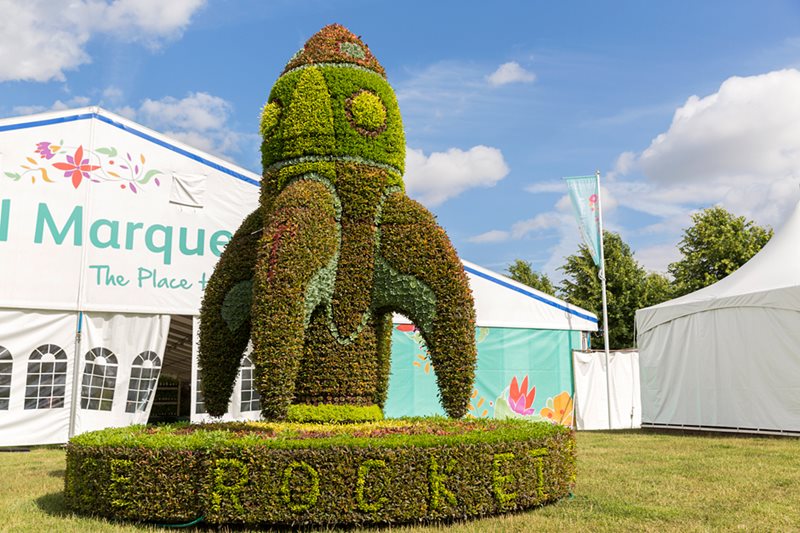 The show will be until Sunday and it is focused on roses together with Beatrix Potter. It is 150 years since the day her mother gave birth to her. There are thousands of exotic butterflies involving the city garden classification introduction in order to inspire the dwellers of the city among us. This emotionally themed garden classification marks the 300th anniversary of Capability Brown. A landscape architect who worked as the chief gardener in the palace during the bloom of his career.
Flora Marquee
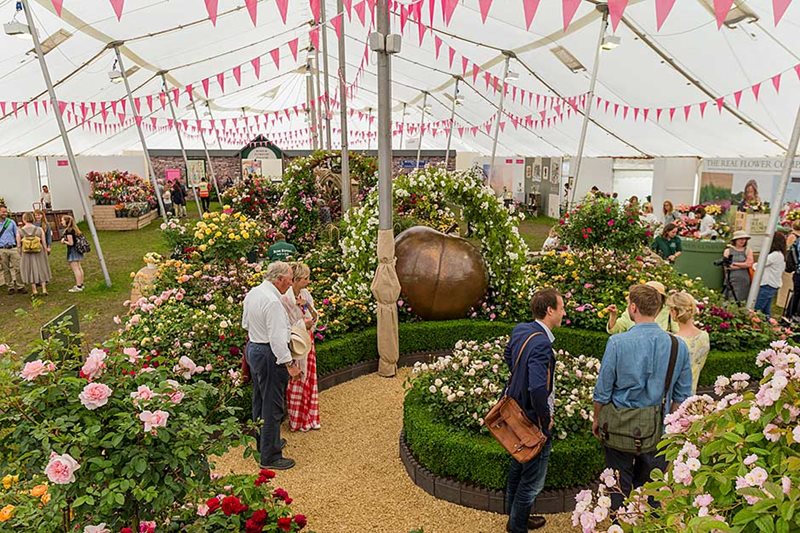
Aside from the show gardens, there comes the flora marquee as well as the plant village. Wherein you can find flora coming from the bold alliums to resilient Japanese maples. A highlight here’s the wonderfully scented Festival of the Roses marquee. Which this year took the cottage garden motivation from Beatrix Potter’s garden at the Hill Top House. Divided into show, world, summer, water, city and the conceptual gardens. This being a category that is exclusive to the Hampton Court. Some of the gardens come with a gold medal winner, which is none other than the World Vision Garden of John Warland.
The undulating stream of green turf among the populated daisy meadow represents kids of the world. Those mature trees are showing the support that we could give them. Giving a taste for international design, Rose McMonigall makes use of pink colored scalloped shells to invite the visitors. Within the design – symbolic of the piligrimage in her Route of the Camellia silver gold-plated medal entry.
Butterfly Dome
The butterfly dome adds a facet to the garden show. Inside are 1,500 butterflies coming from 30 various species of gorgeous insects, which include South America. None of which can you view in Britain. The dome shelters a lot of nectar-full plants that bring the taste of tropics to Hampton. Expecting that it Brits will be inspired to welcome the native butterflies to come and visitors their gardens. Through the previous decade, their numbers dramatically declined.
 A RHS entomologist named Anna Platoni said 57% of the butterflies have declined in number since 1967. She said, “We hope the excitement of the dome will inspire visitors to want to encourage native butterflies into their gardens.” The first one in the show comes the Cancer Research’s simulated reality garden that’s known as the Life Garden. Antonia Young utilized alliums, Echinacea, geraniums & hemerocallis as the core flowers, whilst within the center visitors could put on the Oculus Rift headset that will transfer them going to a virtual garden.
City Gardens
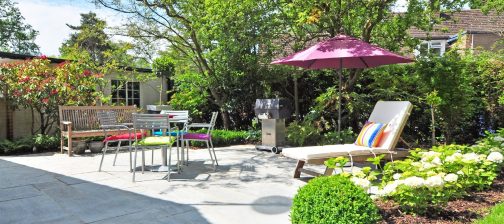
Another one of the city gardens also proved the urban dwellers amongst us could remain creative even when they’re spatially challenged. The new talent to search for includes Will Williams who also embraced the extra category. His design – Summer in Sussex that won silver – inspired the town where he lives and it came with local materials that’s found within the region like the flint. Will Williams said, “I took inspiration from walking along the South Downs, but my garden is not an attempt to replicate them,” he said.
“The roadside hedge inspired my choice of flowers such as the fox gloves and lots of grasses, which show the curviness of the downs and the box hedges frame the garden which centres around the two flint sculptures.
“Lots of people in cities don’t realise you can do something beautiful with such a small area and I want my design to encourage other people into wanting to work in the industry.”
The show unveiled the very first dog garden. The garden is celebrating the 125th year of the Dog’s Trust. This garden design through Paul Hervey-Brookes. The garden comes with sniffer tracks as well as places to dig including sculptures and water features of the animals